LN106 Alternator Problems: Common Issues and Solutions
Date Posted:28 October 2026
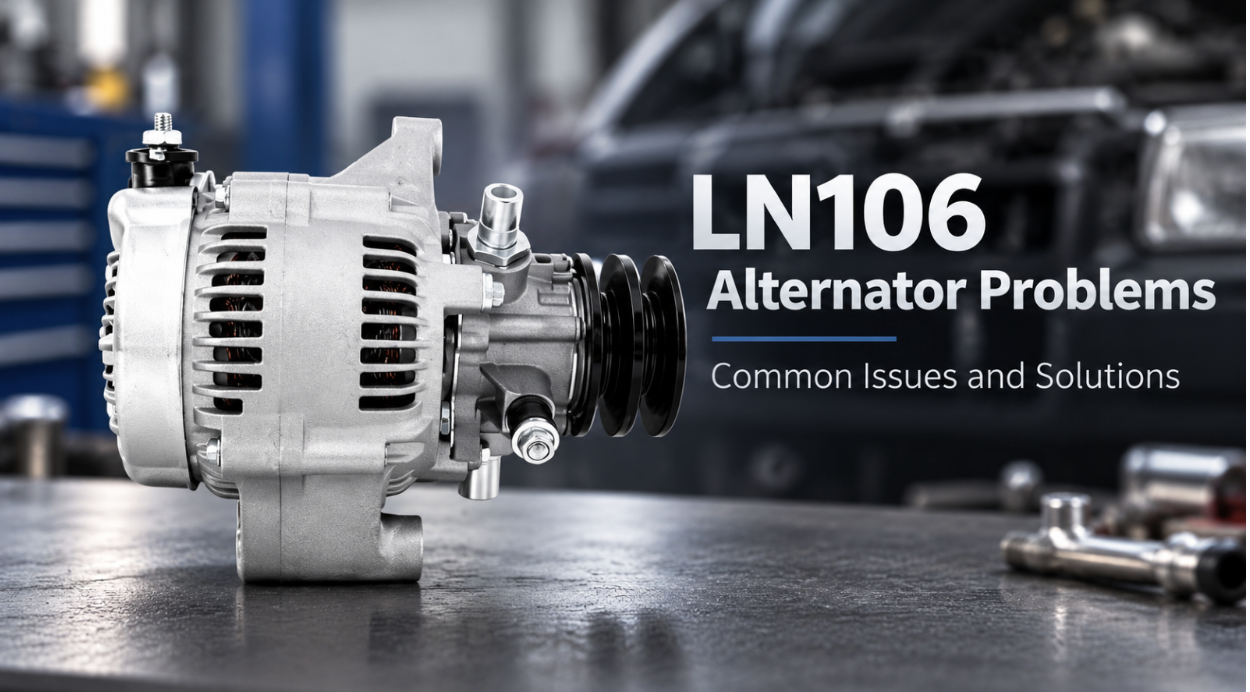
An LN106 alternator problem can look straightforward: the battery goes flat, the charge light stays on, or the lights flicker. Yet those symptoms do not identify the faulty component on their own.
The practical solution is to check the battery, belt and charging circuit before replacing the alternator. If testing confirms an alternator fault, identify the replacement by its electrical connections, regulation, mounting and pump arrangement as well as the vehicle details.
What is causing the charging problem?
The alternator supplies electrical power while the engine runs and replenishes the battery. Wiring resistance and poor connections can interrupt that process. Internal faults can involve the regulator, rectifier diodes or windings, but testing is needed to distinguish them from vehicle-side problems.
The battery keeps losing charge
A flat battery does not automatically mean the alternator has failed. Battery condition and the connections need checking first. A battery that cannot perform properly may leave you with recurring starting trouble even after other work.
Have the battery charged and performance-tested, then have charging operation assessed. DENSO’s charging-system diagnosis guide recommends checking the battery before investigating the charging system. On a restoration project, include the battery-to-engine and body earth connections in that assessment.
The charge light stays on or flickers
A charge warning light calls for investigation, rather than an immediate parts order. Loose connections, belt problems and faults within the alternator can produce overlapping symptoms.
Note whether the light appears at idle, under electrical load or intermittently. Also mention if it fails to illuminate before starting. These details help an auto electrician decide where to begin. Aveska’s overview of alternator warning signs provides broader background; the next step is testing your Hilux’s actual system.
There is squealing, grinding or uneven charging
A slipping drive belt can affect charging, while incorrect tension can contribute to bearing damage. Noise near the alternator also needs its source confirmed before deciding which component to replace.
Have belt condition, alignment and tension checked against the appropriate service information. Tightening the belt by guesswork can create another problem. DENSO’s alternator troubleshooting guidance explains how a loose belt can interrupt charging and excessive tension can damage bearings.
Testing shows excessive charging voltage
More voltage is not automatically better charging. DENSO’s diagnostic TechTip explains that regulation faults or problems with voltage-sensing connections can cause excessive voltage, potentially damaging the battery and electrical components.
Ask for the readings to be assessed against the correct vehicle and alternator specifications. A general internet voltage range should not become the sole pass-or-fail test for an older Hilux with an uncertain modification history.
What can you check before booking an inspection?
With the engine stopped and cool, look for visible belt deterioration, corrosion around the battery terminals, damaged wiring and signs of overheating. Keep this to visual inspection if you are unfamiliar with automotive electrical work. Do not reach near moving belts or bridge electrical terminals with tools.
Record when the problem occurs and what changed beforehand. Recent battery replacement, accessory installation or engine work gives the technician useful context.
Never disconnect the battery while the engine is running to “test” the alternator. DENSO warns that this can damage alternator diodes. Leave live-circuit testing and repairs to someone with the appropriate equipment and experience.
Match the replacement to the Hilux you actually have
For an older LN106, the vehicle badge is only the starting point. Previous repairs or conversions may have changed the fitted charging equipment.
Before comparing Aveska’s replacement alternator range, gather:
- The chassis/model designation, build date and engine code.
- The existing alternator’s identification numbers and clear photographs.
- The regulator arrangement and electrical plug configuration.
- The mounting details, pulley arrangement and pump position.
- Details of any engine conversion or added electrical equipment.
DENSO’s replacement guidance also calls for comparing pulley offsets, mounting locations and connector positions.
Aveska’s LN106-related alternator listing, SKU 1NJ-00I, describes an internally regulated unit. Its application table lists LN106R/LN111R vehicles with the 3L 2.8-litre diesel for 1993–1997 and specifies a front-mounted pump arrangement.
That is a listed application, not confirmation for every LN106. Compare the detailed table with the existing equipment and resolve any uncertainty before ordering. An alternator that mounts in place still needs the correct electrical configuration.
FAQs
Can an alternator pass a bench test but still not charge the vehicle?
Yes. A satisfactory bench result can point the investigation towards the vehicle’s wiring or other charging-circuit components. The installed system still needs diagnosis.
Should I replace the battery with the alternator?
Only if battery testing supports replacement. Check its condition first rather than replacing both components automatically.
Is a higher-output alternator the answer to added accessories?
Not automatically. Have the electrical demand and system compatibility assessed first. A higher output rating does not establish that the mounting, pulley or regulation matches.
Can I replace the alternator myself?
Replacement requires the correct service procedure, battery isolation, belt adjustment and final testing. If the configuration is unclear, arrange professional installation rather than modifying connections to make a unit work.
Choose the part after confirming the fault
Aveska Auto Restorers Paradise is an Australian-owned restoration and replacement-parts supplier based in Camden Park, South Australia. Once the fault is identified, contact aveska with your vehicle details, existing part number and photos to enquire about a suitable replacement. Confirm the listed specifications before placing your order.
Sources and References
DENSO — Charging System Diagnosis
Battery checks, charging-circuit assessment and bench testing.
https://www.densoautoparts.com/charging-system-diagnosis/
DENSO — Alternator Troubleshooting
Belt condition, wiring faults and electrical testing precautions.
https://www.denso-am.eu/news/alternator-troubleshooting
DENSO — Diagnosing Alternator Faults
Warning lights, intermittent charging and excessive voltage.
https://www.denso-am.eu/news/denso-techtip-diagnosing-alternator-faults-the-right-way
DENSO — Alternator Removal and Installation
Replacement comparison and installation considerations.
https://www.densoautoparts.com/alternator-removal-installation/
This article provides general guidance, not vehicle-specific diagnosis or installation instructions. LN106 specifications and previous modifications can affect compatibility. Confirm the replacement’s details before ordering and consult a qualified mechanic or auto electrician for testing and installation.